
Alligators, Crocodiles, and HOA Rules: Who’s Responsible for Wildlife Hazards?
Trouble in paradise?
Living in Florida means embracing sunshine, palm trees—and the reality that alligators might wander into your HOA’s or condo’s shared water features. In Lee and Collier counties, communities often wake up to the question: who’s responsible when a gator shows up in your pond?
According to the Florida Fish and Wildlife Conservation Commission (FWC), which defines nuisance wildlife in its FAQs on taking wildlife, alligators are fera naturae—wild by nature—not owned by homeowners or associations. That means liability usually doesn’t fall on you—unless your board ignored known gator sightings or failed to take responsible action.
Rules governing wildlife incursions
Lee County’s land-use rules, including
Ordinance No. 84‑28, detail how waterfront communities must manage buffer zones and signage near natural habitats. In Collier County, property development docs like the Coastal Advisory Committee agenda reflect the county’s emphasis on preserving agricultural and natural environments, including wildlife. If your condo was built near the Barfield Burrows or McIlvane Marsh preserves, it may already fall under ecological guidelines that expect wildlife management.
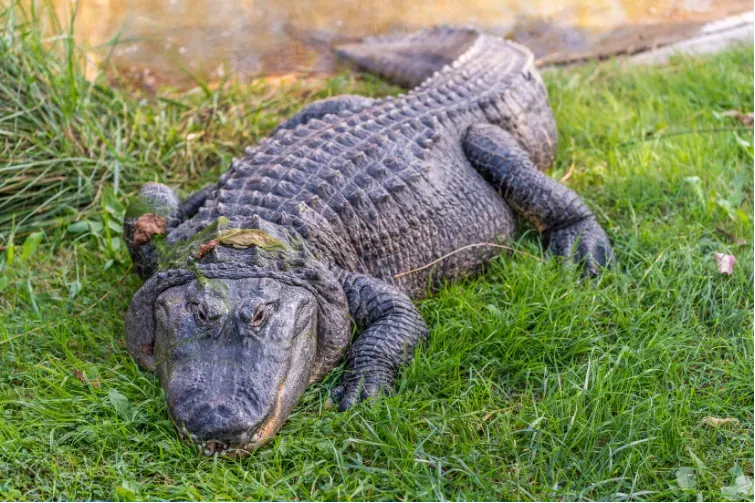
I still remember the day I first realized how serious this can be. My cousin’s HOA pond don’t just attract ducks—they draw alligators. In Lee County, bird feeders near pond edges might attract smaller wildlife, which in turn lures in gators, as outlined in FWC land-use guides. That chain reaction often gets overlooked until a gator shows up unannounced and your board wonders if it's their responsibility.
HOA's MAY have SOME responsibilities
You’ll want to start by reviewing
Lee County’s LPA agendas, where planners discuss pond-edge housing and HOA responsibilities—clues that your community may have obligations to manage wildlife. And in Collier, county land-development documents highlight stewardship of natural reserves such as Alligator Flag Preserve.
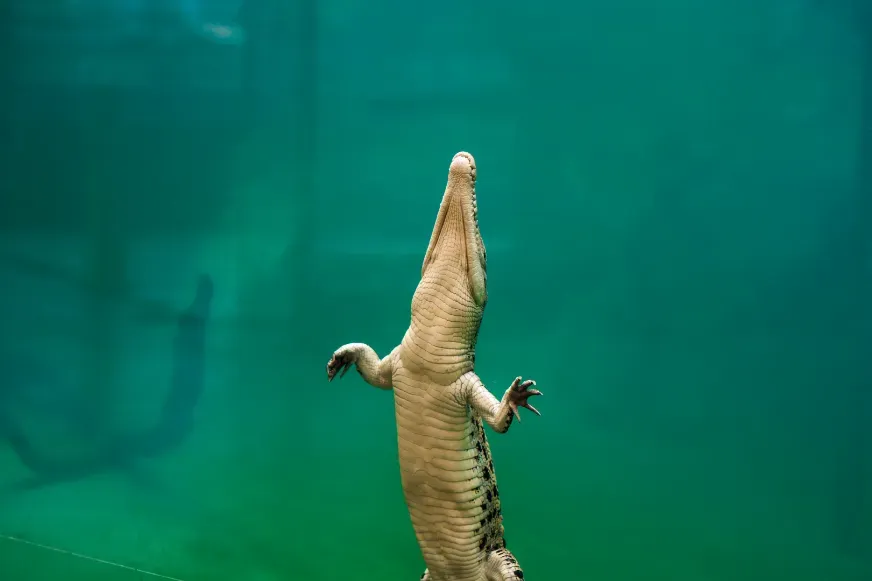
FWC’s regulations on alligator harvest show how tightly Florida regulates alligator handling. The SNAP program, and the alligator hotline number (866‑FWC‑GATOR) link back to FWC’s nuisance wildlife pages. These reflect the state’s expectation that land managers (like HOAs) will partner with licensed trappers and FWC before liability concerns escalate.
See dangerous wildlife? Make it KNOWN!
One case that stuck out was Spanish Lakes Fairways in Fort Pierce. They weren’t sued for having a gator—they were sued for
not communicating with residents after sightings. That pattern echoes across Florida, including Lee and Collier, especially since tragedies at sites like Orlando’s BoardWalk Villas made headlines. After those incidents, developers in both counties reviewed CC&Rs for wildlife components and added formal signage rules—again seen in Lee's agendized land-use changes.
Development plans like Lee County’s Galt Preserve stewardship report list American alligators among local wildlife, underscoring how ponds are magnet zones in shared water features. FWC’s alligator license and permit portal is also essential reading for boards seeking lawful removal solutions.
To protect your community, first log all gator sightings with date and place. Then notify residents immediately, honoring transparency. Contact licensed trappers or FWC through SNAP. Post clear signage (“No Swimming – Alligators Present”, “Do Not Feed Wildlife”) as per FWC sign policy . Update CC&Rs and board resolutions to enforce pond-edge pet supervision and prohibit feeding.
Wonder how to craft these protocols for your community? Contact Precedent Hospitality now for a custom wildlife safety plan that brings peace of mind.
FAQ'S
1. Are HOAs or Condo Associations responsible for managing wildlife on the property?
In most cases, associations are responsible for addressing wildlife issues that pose a safety hazard or nuisance within common areas. However, they are not typically responsible for managing natural wildlife unless state or local regulations require specific actions.
2. Can an HOA remove protected wildlife from the community?
No. Many species in Florida, such as gopher tortoises, manatees, and certain birds, are protected by state or federal law. Removing or disturbing them without proper permits can lead to hefty fines and legal consequences.
3. What should residents do if they see an alligator or other potentially dangerous wildlife?
Residents should not approach or feed wild animals. They should report the sighting to the Florida Fish and Wildlife Conservation Commission (FWC) or the property management, who can contact appropriate authorities.
4. Who is responsible for maintaining natural preserves, ponds, or conservation easements within the community?
Usually, the HOA or condo association is responsible for maintaining these areas in accordance with local environmental regulations and permit conditions, especially if they are part of the community's development plan.
5. Can residents feed wildlife in the neighborhood?
Feeding wildlife is discouraged and often illegal in Florida, especially for species like alligators, sandhill cranes, and bears. Associations can—and often should—enforce rules prohibiting feeding to avoid habituation and risks to public safety.
6. Is the HOA liable if a resident is injured by wildlife?
Liability depends on the circumstances. If the HOA was negligent in managing a known risk (like failing to address overgrown vegetation near a playground attracting snakes), they could potentially be held liable. However, wildlife encounters in natural areas often fall under “act of nature” exceptions.
7. Can an HOA remove trees or modify landscaping to deter wildlife?
Yes, but modifications must comply with local tree ordinances and environmental protection laws. For instance, removing trees that house nesting birds during nesting season may violate wildlife protection laws.
8. What steps should associations take to protect residents from wildlife hazards?
- Maintain proper landscaping (trimmed grass, cleared brush)
- Install signage warning of wildlife (especially near ponds or wetlands)
- Educate residents about wildlife awareness and safety
- Coordinate with FWC when necessary
9. Can HOAs set rules about pets and wildlife interaction?
Yes. Associations can restrict pets from certain areas (e.g., nature preserves), require leashing, and fine owners if pets are allowed to harass wildlife—actions that can also prevent injury to pets.
10. How can associations stay compliant with state and federal wildlife laws?
Boards should consult with environmental attorneys, stay updated on FWC guidelines, and possibly hire ecological consultants when developing or modifying common areas. Proactive planning helps avoid costly violations.